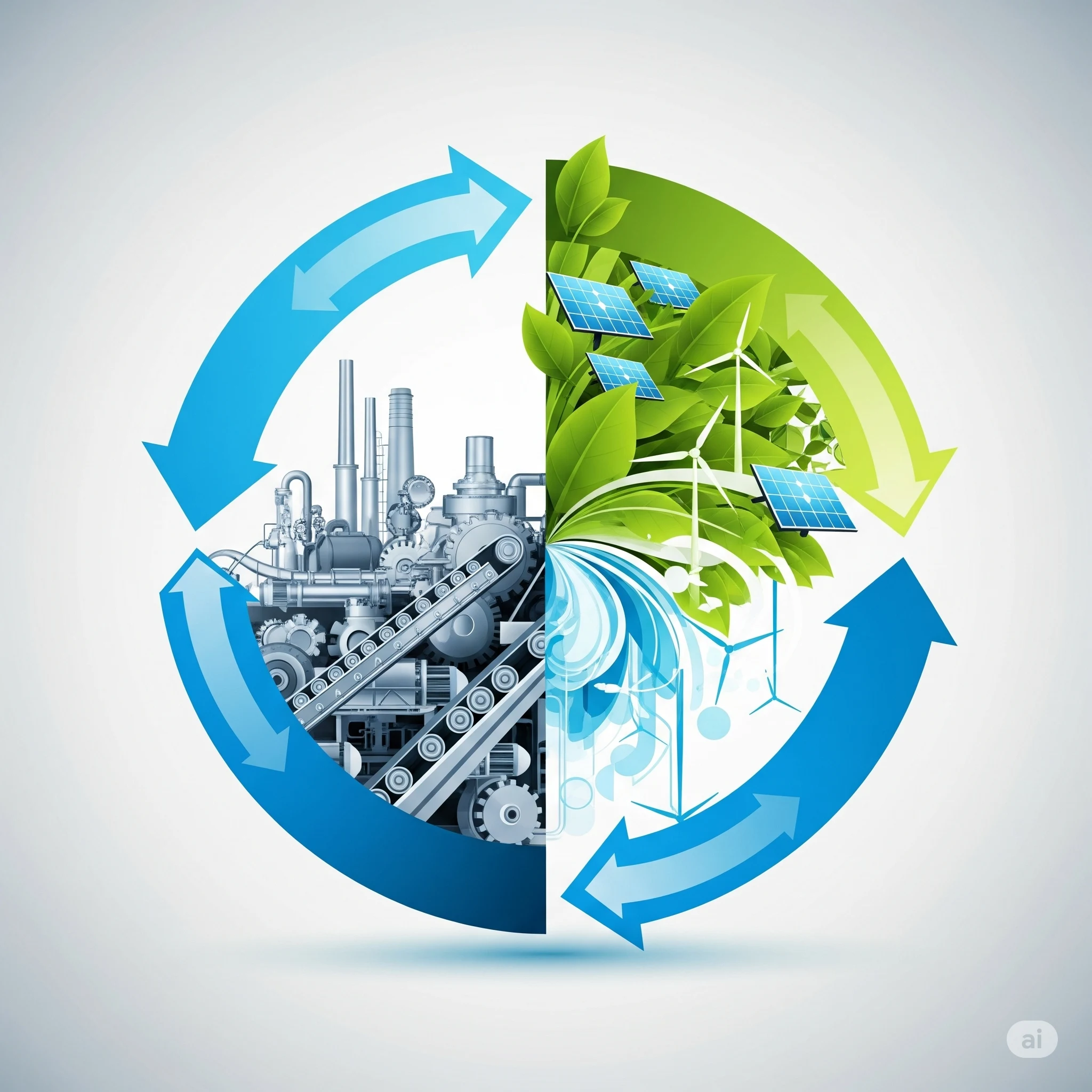
For decades, the industrial model was simple: take, make, dispose. This linear path created a one-way street to the landfill. However, what if your industrial waste could become a valuable asset? This is the core idea behind the circular economy Malaysia model, a powerful alternative to wasteful practices. A circular economy aims to restore and renew resources by design. It keeps materials in use for as long as possible, extracting maximum value. For Malaysian industries, adopting this approach through smart waste management is more than an environmental goal. In fact, it’s a strategic move that can significantly boost your bottom line.
The Business Case for a Circular Economy in Malaysia
While the environmental benefits are clear, the business case for a circular economy in Malaysia is just as strong. For instance, shifting from a linear to a circular mindset unlocks real value for your organization.
- Cost Savings & Resource Conservation: First, you can save money. Recycling and recovering materials from your waste streams reduces your need to buy new raw materials. These virgin materials are often more expensive and have unstable prices. Therefore, this approach helps you manage costs and use natural resources more sustainably.
- New Revenue Streams: In addition, certain recovered materials, such as specific metals or re-refined oils, can be sold back into the market. This creates a new source of revenue from what was previously a cost center.
- Enhanced Brand Reputation & CSR: Companies that adopt circular practices are seen as leaders and innovators. This aligns your business with global sustainability trends like the Zero Discharge of Pollutants (ZDP) initiative, improving your environmental performance and strengthening your corporate social responsibility (CSR) profile. This enhanced reputation is attractive to investors, customers, and top talent.
How Smart Waste Management Drives the Circular Economy
Intelligent waste management bridges the gap between linear and circular models. It requires a partner with the right technology and expertise. A good scheduled waste management partner sees waste not as trash, but as a resource to unlock. We achieve this through several key pathways:
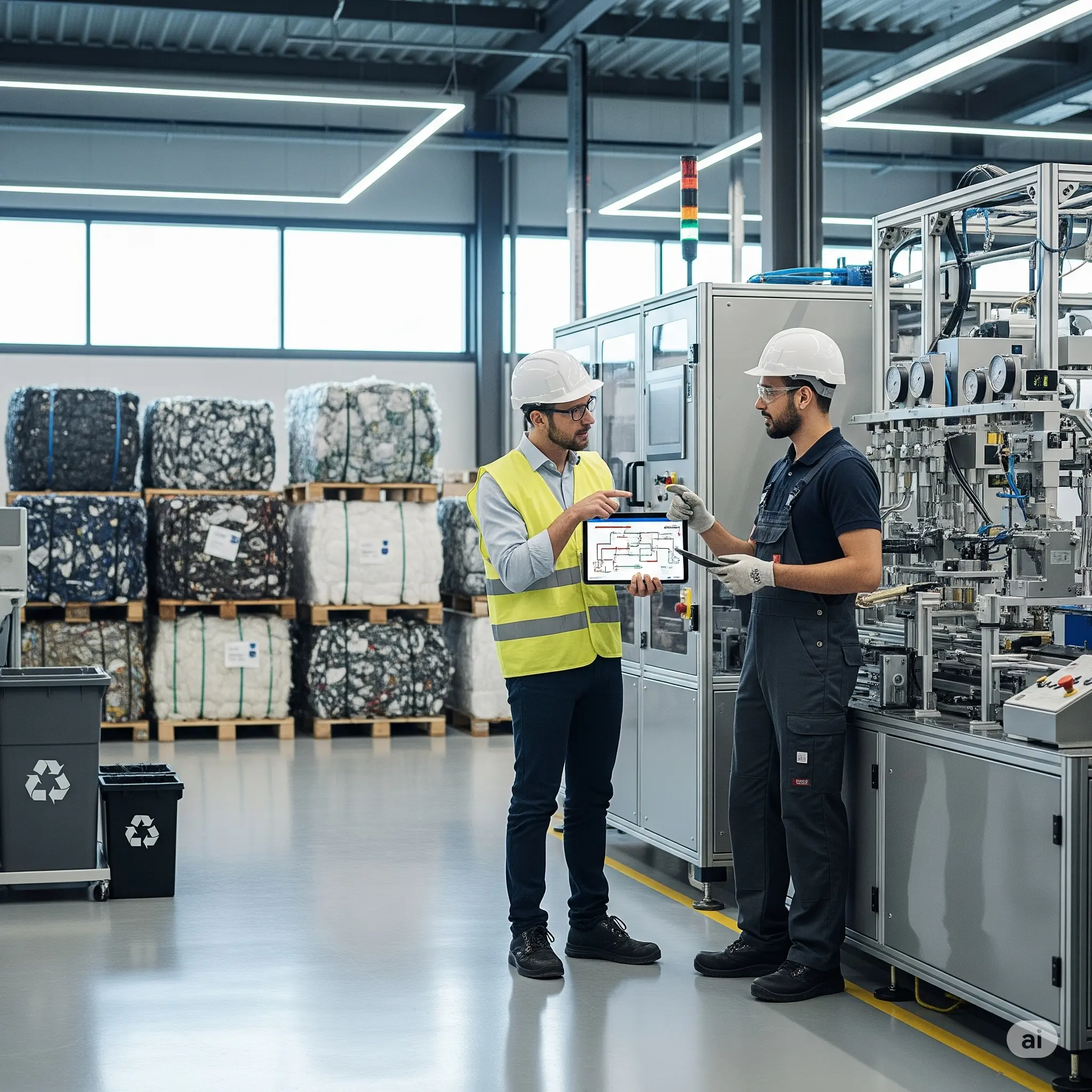
- Recycling: This is the most direct form of circularity. Services for recycling materials like scrap metal and plastics are fundamental. A forward-thinking partner takes these used materials from your facility and processes them into “high-quality raw materials for new manufacturing, closing the loop”.
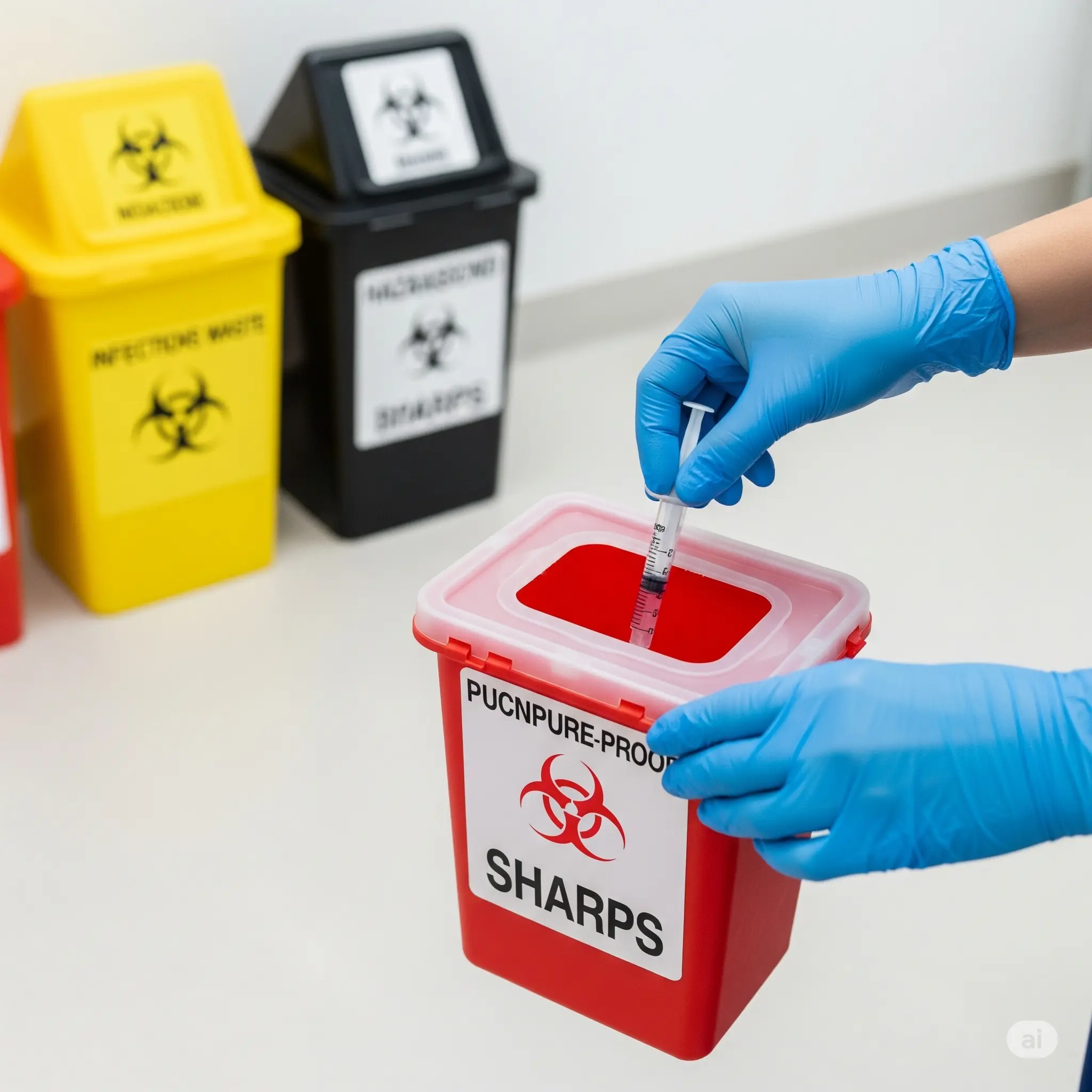
- Recovery: This is a more advanced and powerful circular strategy. For complex scheduled wastes like used industrial solvents or lubricating oils, “advanced recovery processes can re-refine them into new, usable products”. This high-tech approach turns hazardous waste back into valuable industrial inputs, representing the pinnacle of the circular economy.
- Waste-to-Energy: For materials that cannot be recycled or recovered, waste-to-energy processes offer a final alternative to landfills. By incinerating this waste in controlled environments, we can generate energy, still extracting value from the material and diverting it from landfill disposal.
A New Kind of Partnership: From Waste Disposer to Value Creator
In a competitive market, compliant disposal is the baseline expectation—it’s the minimum requirement. However, a truly strategic partner offers more. By shifting the conversation from simple disposal to value creation through the circular economy, a waste management provider can become a significant strategic differentiator for your business.
This approach transforms the provider’s role. They are no longer just a service that “takes out the trash.” They become an innovation partner who actively helps you achieve your sustainability goals, as defined by leaders like the Ellen MacArthur Foundation. This helps you strengthen your CSR narrative and uncover new financial value within your operations. For a CEO or Sustainability Officer, a partner who contributes to both the environmental and financial bottom line is infinitely more valuable than one who merely fulfills a compliance obligation. This positions your business as forward-thinking, resilient, and aligned with the future of sustainable industry.
Conclusion: Join the Circular Revolution
The message is simple: your waste is a resource, and the circular economy Malaysia model is the key to unlocking its hidden value. This forward-thinking approach offers a powerful dual victory—it is good for the planet and good for your profitability. By rethinking waste, you can build a more efficient, resilient, and respected business.
Is your business ready to move beyond disposal? Let’s explore how a circular approach to your scheduled waste can unlock new value. Contact Ridge Amber for a consultation on our advanced recycling and recovery solutions.